
Table of Contents
A routine eye exam at Hiemstra Optical is more than just a prescription update — it’s one of the most important health checkups you can schedule each year. Our licensed Doctors of Optometry take a comprehensive approach to eye care, evaluating not only how clearly you see, but the health and function of your eyes from the inside out.
Whether you’re coming in for your first exam, noticing recent changes in your vision, or simply keeping up with annual care, our team provides thorough, unhurried attention at every one of our five West Michigan locations. Think of it less like an appointment and more like a conversation about your eyes — and your health.
What to Expect During Your Exam
Every visit is a little different depending on your age, history, and concerns — but here’s a general sense of what a comprehensive eye exam at Hiemstra looks like from start to finish:
- Intake & Health History: We’ll review your medical and vision history, current medications, and any symptoms you’ve noticed. This context helps us focus on what matters most for you.
- Visual Acuity Testing: The classic eye chart test — we’ll assess how clearly you see at various distances and determine whether a prescription update may be in order.
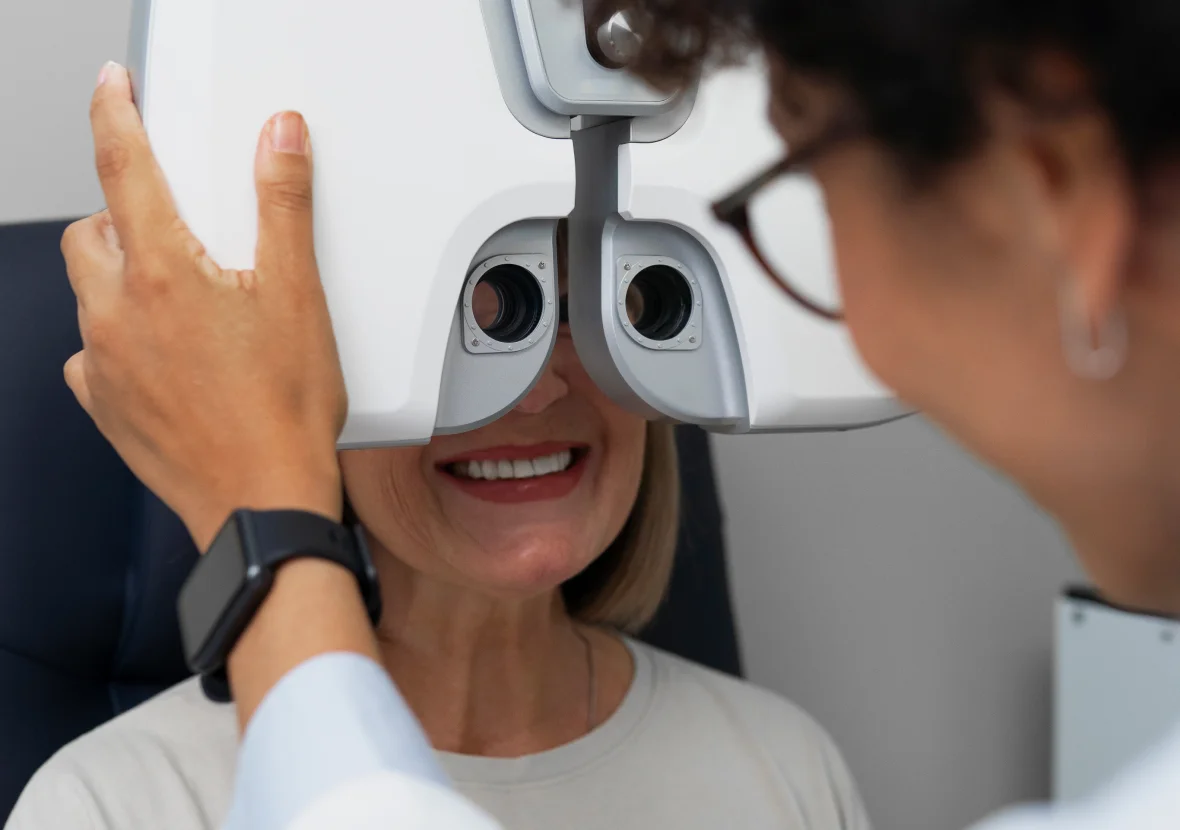
- Refraction Assessment: Using a phoropter (the instrument with the rotating lenses), your doctor fine-tunes your prescription to give you the sharpest, most comfortable vision possible.
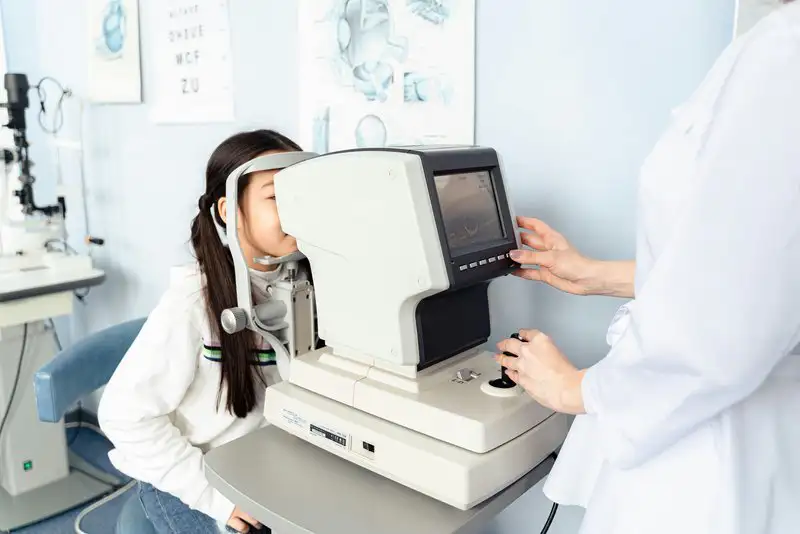
- Eye Pressure Check: A quick, painless measurement to screen for elevated intraocular pressure — one of the key indicators of glaucoma.
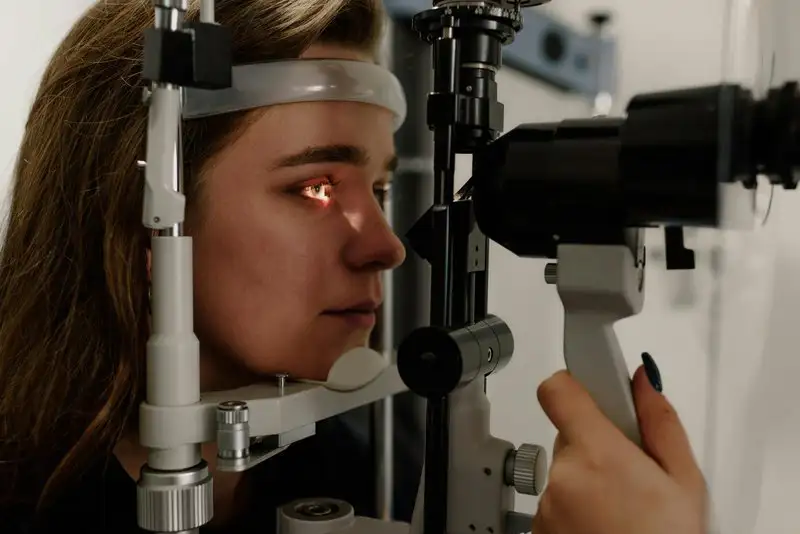
- Slit Lamp Examination: A microscope-mounted light source allows your doctor to examine the front structures of your eye — cornea, iris, and lens — in detail.
- Dilated Retinal Exam: When indicated, we’ll dilate your pupils to get a clear view of the retina, optic nerve, and blood vessels at the back of the eye. This is where many systemic health findings first appear.
- Results & Discussion: Your doctor will walk you through findings, answer your questions, and outline any next steps — whether that’s a new prescription, a referral, or simply a return date for your next annual exam.
You can expect to spend 20 to 40 minutes with our optometrists or highly trained technicians — enough time to be thorough, never so long that it feels like an ordeal.
Your Eyes Are a Window to Your Overall Health
One of the most remarkable things about a comprehensive eye exam is what it can reveal beyond the eyes themselves. The retina is the only place in the body where blood vessels can be observed directly — without surgery or imaging — making the eye a uniquely valuable diagnostic window.
During your exam, our doctors routinely screen for early signs of:
- High blood pressure (hypertension): Changes in retinal blood vessel appearance are often an early warning sign, frequently before patients have any symptoms.
- Diabetes: Diabetic retinopathy is one of the leading causes of vision loss in adults, and early-stage changes are only visible through a dilated exam.
- High cholesterol: Deposits in the blood vessels of the retina can indicate elevated cholesterol levels that may not yet show up elsewhere.
- Glaucoma: Often called “the silent thief of sight” because it causes no pain and minimal early symptoms — regular exams are the primary way it’s caught.
- Macular degeneration: Particularly important for patients 50 and older. Early detection allows for management strategies that can slow progression.
- Cataracts: A natural part of aging for many people, and one we monitor over time to determine when — or if — intervention is appropriate.
Finding any of these conditions early doesn’t just protect your vision. In many cases, it can prompt life-changing follow-up care with your primary physician or specialist.
Who Needs a Comprehensive Eye Exam — and How Often?
The short answer: everyone. The specifics depend on your age, risk factors, and whether you’re already wearing corrective lenses.
Children
Vision problems in early childhood can directly affect learning, development, and quality of life — and kids often can’t articulate what they’re experiencing. We follow the recommended schedule:
- First exam: around 6 months of age
- Second exam: around age 3
- Before starting school (age 5–6)
- Annually through school years — vision changes rapidly during this time
Adults (18-39)
If you have no known vision problems or risk factors, every 2 years is the typical recommendation. If you wear glasses or contacts, or have a family history of eye disease, annual exams are the better approach.
Adults (40+)
This is when age-related changes — presbyopia, early cataracts, and increased glaucoma risk — begin to emerge. We recommend annual exams for most patients in this group.
Adults (60+)
Annual exams become essential. The risk of glaucoma, macular degeneration, cataracts, and diabetic eye disease all increase significantly with age, and early detection makes an enormous difference in outcomes.
Contact Lens Wearers
Annual exams are required for contact lens prescriptions, which can change year to year. We’ll also assess the health of your cornea and the fit of your lenses — both critical for comfortable, safe contact lens wear.
Patients with Diabetes or Hypertension
At least annually, and possibly more frequently depending on your condition and your primary physician’s guidance. Diabetic eye disease can progress quickly, and early treatment options are far more effective than late-stage intervention.
Preparing for Your Visit
A little preparation goes a long way toward making your appointment as useful as possible:
- Bring your current glasses and/or contact lenses: Even if you’re not sure the prescription is current — we’ll assess both.
- Know your insurance information: We’ll verify benefits before your visit, but having your card on hand speeds things up.
- Write down any symptoms or concerns: Floaters, dry or irritated eyes, headaches after screen time, trouble seeing at night — these details help your doctor ask the right questions.
- List your current medications: Many medications can have ocular side effects your doctor should be aware of.
- Plan for dilation: If your exam includes dilation, your near vision may be blurry for 2–4 hours afterward. You may want to bring a driver or arrange not to do close work immediately after.
Insurance & Accessibility
We work hard to make quality eye care accessible to every patient we see. Hiemstra Optical proudly accepts major vision insurance plans including VSP, EyeMed, and ASR. We are actively finalizing credentialing for Davis Vision and UHC Spectera — if you’re covered by one of these plans, please call us to check current status before your visit.
Don’t have vision insurance? No problem. We offer straightforward self-pay pricing and are happy to walk you through what to expect before you arrive. Our front desk team is always available to answer questions about coverage, copays, and out-of-pocket costs.
FAQs
How long does a comprehensive eye exam take?
Most exams take between 20 and 40 minutes. If dilation is recommended, plan to spend a bit more time at the office — and budget an extra hour or two for your pupils to return to normal size afterward.
Do I need a referral to make an appointment?
No referral is needed. You can schedule directly with us at any of our five locations by phone or online.
Will my eyes be dilated?
Not necessarily at every visit. Dilation is most commonly recommended for patients 40 and older, those with risk factors for retinal disease, or anyone with symptoms that warrant a closer look at the back of the eye. Your doctor will discuss it with you beforehand.
What's the difference between a vision screening and a comprehensive eye exam?
A vision screening — like the one at your child’s school or your DMV appointment — checks basic visual acuity and little else. A comprehensive eye exam evaluates the full health of your eyes, checks for dozens of conditions, and produces an accurate prescription if needed. Screenings are not a substitute.
Can I wear my contact lenses to the exam?
It’s best to switch to glasses for at least a few hours before your appointment, ideally the day of. Wearing contacts before an exam can affect certain measurements, particularly corneal measurements if you’re being evaluated for new lenses.
My child has never complained about their vision. Do they still need an exam?
Absolutely. Children often have no frame of reference for what “normal” vision looks like — they may not know their vision is impaired because they’ve never experienced anything different. Early exams catch amblyopia (lazy eye), strabismus, and refractive errors that, if uncorrected, can have lasting effects on learning and development.
I passed my vision test at the DMV. Are my eyes fine?
The DMV test checks one thing: whether you can see well enough to drive at distance. It tells you nothing about eye pressure, retinal health, early cataracts, or any of the dozens of conditions a comprehensive exam screens for. Passing the DMV test is a good sign — it’s not a clean bill of eye health.
How do I know if my prescription has changed?
You may notice that your glasses feel less sharp, that reading is harder than it used to be, or that you’re getting headaches after screen time. But prescription changes can also be subtle and gradual — which is why regular exams are the most reliable way to stay current.
What if something is found during my exam?
Your doctor will walk you through any findings in plain language, explain what they mean, and recommend appropriate next steps. In many cases that’s simply monitoring at your next annual visit. If a referral to an ophthalmologist or another specialist is warranted, we’ll help facilitate that connection.
Do you see pediatric patients?
Yes. We see patients of all ages, including children as young as 3-years-old for their first eye exam. Our team is experienced in working with children and making the visit feel comfortable and non-intimidating.